
Tipping point
It's time for corporate America to meet the moment.

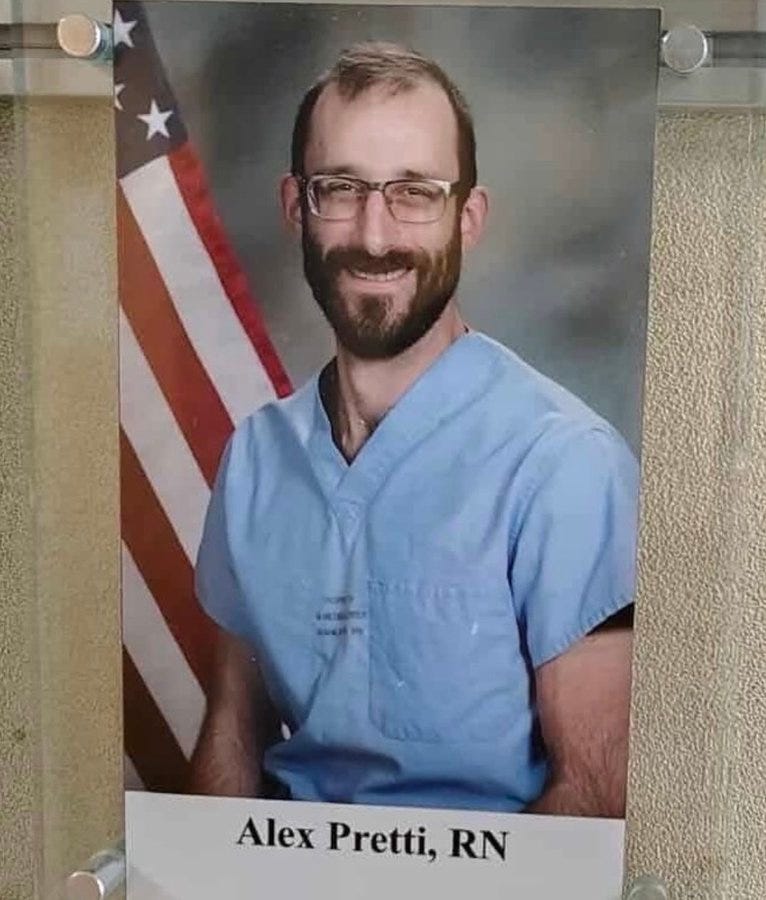
With each video that emerged, the weight of it became harder to carry. A man holding a phone, not a weapon. A nurse who spent his career caring for veterans. Helping a woman who’d just been pepper sprayed. Then restrained on the ground. Shot in the back. Then shot again while motionless. Ten bullets in five seconds. The administration’s response: call him a domestic terrorist.

After a year of head-spinning events, yesterday felt different. The killing of 37-year-old ICU nurse Alex Pretti in Minneapolis brought together so many issues facing this country. We are at a tipping point.
Corporate leaders and politicians need to meet this moment.
The latest killing of an American citizen by D.H.S. has garnered widespread pushback among Democrats in Congress—increasingly likely to lead to a government shutdown on Friday. Some Congressional Republicans are starting to voice concerns about DHS as well.
The pressure now moves to top CEOs, who have largely avoided commenting on the actions of this administration over the past year. After two decades of corporate reputation strategy built on “company values,” companies largely backed off corporate activism in Trump’s second term. But brands will find it increasingly difficult to avoid engaging in what has become a defining moment in America.
Many Americans have been ahead of leaders—policymakers and CEOs. It’s why some of the most substantial pushback we’ve witnessed in the last 12 months has come from individuals, not institutions. Protests in Minneapolis, Chicago, LA. No Kings rallies. Millions canceling Disney subscriptions after the Jimmy Kimmel suspension. Federal employees at every level—the head of the Social Security Administration resigned after a clash with DOGE, dozens of Justice Department attorneys left rather than defend White House policies in court. Top litigators walking away from law firms that wouldn’t hold the line.
For the past year, Fortune 500 CEOs have privately asked whether one incident or another is “the moment.” When would the country cross the line—when the risk of silence finally outweighed the risk of speaking up? The past year provided many moments. Political interference in free markets. Widespread deportations and aggressive ICE tactics. Greenland and the weakening of NATO relationships. Attacks on the Fed Chairman. USAID. And yet each moment passed without the most visible business leaders in the country using their influence.
What does action look like? It starts with voice—signaling first to employees and consumers that leadership sees what they see and shares their concerns. But measured language designed not to offend will do little. Equivocation reads as cowardice. This is the time to be clear, direct, forceful. Your employees watched the videos. Your consumers know if you’re playing only to Washington. They’re not looking for carefully workshopped statements. They’re looking for a spine.
But voice without follow-through is hollow. Action means using access: conversations with lawmakers, coordinated statements with peer CEOs, reconsidering political contributions, pulling back from administration and Congressional events to effect change. Work with state legislators. The playbook exists. It’s been used before. The question is whether corporate leaders will use it now.
Law and order is critical for both a healthy democracy and stable markets. That should be reason enough for corporate leaders to start using the considerable collective power they have. There’s safety in numbers—and credibility in acting together.
When consumers and employees—two of your key stakeholders—are ahead of you, catching up gets harder with every news cycle. The question isn’t whether to respond—it’s whether you’re still credible when you do.
Silence isn’t neutrality. It’s a position.
This article was originally published at Alchemy Communications & Consulting as part of our ongoing insight series on the changing media landscape.
60 Minnesota-based companies issued a joint statement yesterday, including some of the largest Fortune 500 companies in the country. Getting 60 CEOs to agree on anything is no small feat. It's the collective safety in numbers I wrote about in yesterday's post.
But language matters. The statement calls for "deescalation of tensions" and "peace and focused cooperation." Without a call to action—a demand to end or pause immigration operations that have disrupted both business and community—this can read as the corporate equivalent of "thoughts and prayers."
It doesn't name Alex Pretti. It doesn't name Renee Good. The majority of this country has been witness to the final moments of both their deaths multiple times. Not naming them, and not expressing condolences to their families, is a striking omission.
A statement designed not to offend anyone won't satisfy anyone either. Not employees. Not consumers. And ultimately it won't keep them out of the White House's crosshairs.
But it's a start. The opportunity now is for individual companies—in Minnesota and beyond—to build on this momentum with specificity. That's where real leadership begins.
https://www.mnchamber.com/blog/open-letter-more-60-ceos-minnesota-based-companies hashtag#Minneapolis